
Eat Healthy Without Breaking the Bank
Discover practical strategies for budget-friendly nutrition that keeps you energised, strong, and confident. Learn how men across the United Kingdom are maintaining excellent health on a realistic food budget.
Why Budget Meals Matter for Men's Health

Affordable Nutrition That Works
Many men believe healthy eating requires expensive supplements and specialist products. The reality is far different. Whole foods available at any UK supermarket—eggs, oats, beans, seasonal vegetables, and affordable cuts of meat—provide everything your body needs to perform at its best. Eating well on a budget isn't a compromise; it's a smart strategy that builds lasting habits.
When you plan meals intentionally and understand which foods deliver the most nutrition per pound spent, you eliminate waste, reduce stress about food choices, and feel genuinely good about what you're eating. This practical approach has transformed how thousands of men think about nutrition and daily energy.
Save money while eating better than you did before
Build strength and stamina with whole-food nutrition
Develop meal planning skills that last a lifetime
Feel confident making choices aligned with your health goals
Budget-Friendly Protein Sources Every Man Needs to Know
Eggs
The gold standard of affordable protein. One large egg contains 6 grams of complete protein for just a few pence. Eggs are versatile—boil them for quick snacks, scramble them for breakfast, or add them to budget stir-fries. They're also rich in choline, which supports cognitive function and overall vitality.
Cost: Often less than £0.30 per egg
Canned Beans & Lentils
Tinned chickpeas, black beans, and lentils are nutritional powerhouses at bargain prices. A single tin delivers 12–15 grams of protein plus fibre to keep you satisfied. They're shelf-stable, require no cooking, and work brilliantly in curries, salads, soups, and grain bowls. Plant-based protein at its most practical.
Cost: Often £0.40–0.70 per tin
Tinned Fish
Canned sardines, mackerel, and tuna are among the most cost-effective sources of omega-3 fatty acids and high-quality protein. A tin of mackerel often costs less than £1 and provides nearly 20 grams of protein plus beneficial fats. Perfect for quick meals, toast toppers, or added to grain dishes.
Cost: £0.70–1.20 per tin
Oats & Grains
Rolled oats, brown rice, and wholewheat pasta are budget staples that provide sustained energy and plant-based protein. A kilogram of oats costs just a couple of pounds and yields dozens of breakfasts. Grains serve as the foundation for balanced meals, stretching more expensive proteins and keeping your food bill low.
Cost: £1.50–3.00 per kilogram
Seasonal Vegetables
Seasonal produce is always cheaper and more nutritious than out-of-season imports. Root vegetables like carrots, parsnips, and onions are incredibly affordable year-round. Leafy greens, broccoli, and peppers fluctuate in price but become bargains when in season. Vegetables bulk out meals, add essential micronutrients, and keep your calorie count sensible.
Cost: Often £0.30–0.80 per item
Affordable Meat Cuts
Chicken thighs, pork shoulder, and minced beef (especially 15–20% fat versions) are significantly cheaper than premium cuts. These budget-friendly options are perfect for slow cooking, stews, and bulk meal prep. Look for yellow-sticker reduced items near closing time, and freeze them immediately for later use.
Cost: £3.00–5.00 per kilogram
Your 4-Week Budget Meal Plan Journey
Week 1: Learn Your Baseline & Set Your Budget
Start by tracking what you currently spend on food. Write down every purchase for seven days—groceries, takeaways, snacks, everything. This honest assessment reveals spending patterns and identifies where money leaks. Set a realistic weekly budget for groceries (typically £40–60 for one person eating three meals daily). Plan your first week's meals around staples you already have at home to avoid waste.
Week 2: Master Meal Prep & Batch Cooking
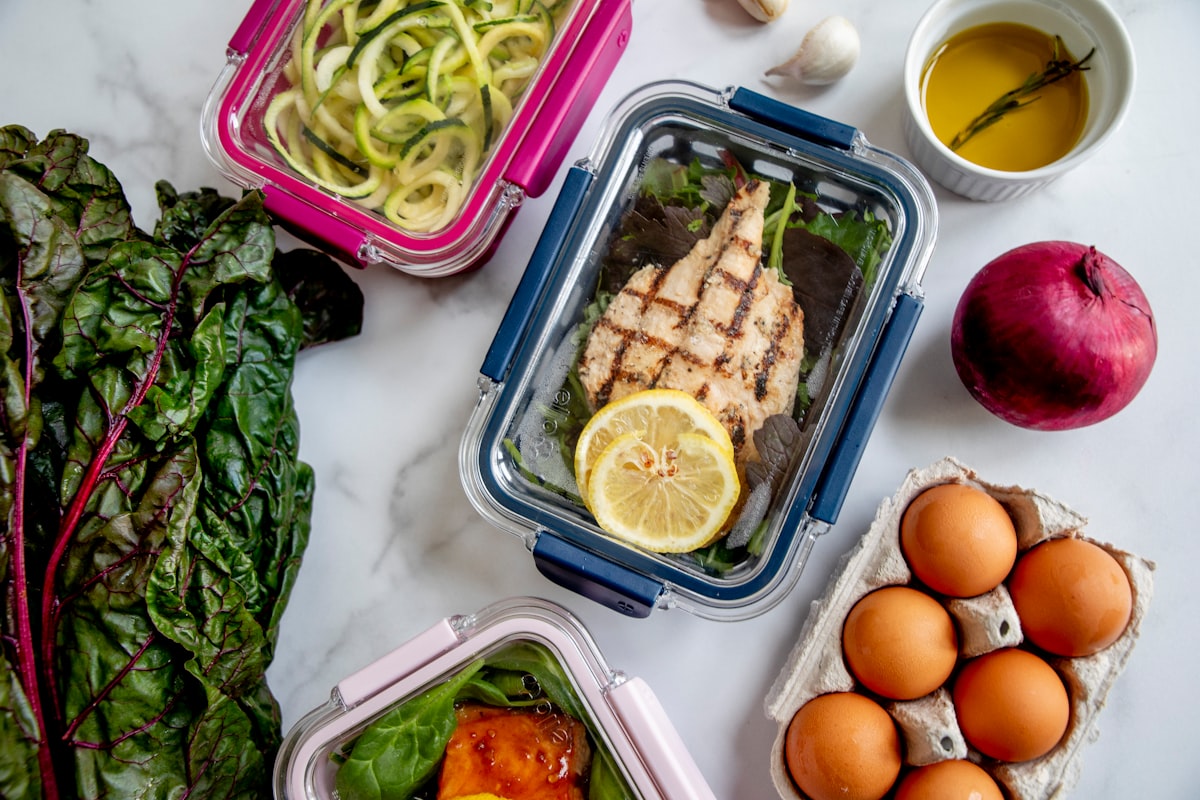
Dedicate a few hours on Sunday to batch cooking. Prepare a large pot of rice, a tray of roasted vegetables, and cook several portions of affordable protein (tinned beans, boiled eggs, or slow-cooked chicken thighs). Store these in containers and mix different combinations throughout the week. This removes daily cooking stress and prevents expensive impulse meals when you're tired or hungry.
Week 3: Refine Your Shopping Strategy
Identify the supermarkets near you with the best prices on your essentials. Compare own-brand versus name-brand products—own-brand is almost always identical in quality but 20–40% cheaper. Shop with a list and avoid shopping hungry. Check for yellow-sticker reductions on meat and dairy near closing time, and don't hesitate to freeze items for later. Build a small stockpile of non-perishables when they're on offer.
Week 4: Build Your Sustainable System
By now you've identified your favourite budget meals, your preferred shopping locations, and realistic prep routines. Consolidate these into a repeating system you can maintain long-term. Plan a standard weekly rotation of 5–7 meals you genuinely enjoy, rotate seasonal vegetables, and keep your shopping list template ready. Your food budget should now feel manageable and automatic, freeing mental energy for other priorities.
Common Questions About Cheap Healthy Eating
Yes, absolutely. Fifty pounds per week allows three meals daily for one person when you prioritise whole foods, buy own-brand products, and minimise waste. Eggs, tinned beans, oats, rice, seasonal vegetables, and affordable meat cuts form the foundation. Many men manage on less by meal prepping and avoiding takeaways. The key is intentional planning rather than deprivation.
No. A well-planned diet of whole foods provides the vitamins and minerals your body needs. Whole grains, beans, vegetables, and affordable protein sources are naturally nutrient-dense. If you do choose a supplement for specific support (such as a multivitamin or omega-3 capsules), budget brands are chemically identical to premium alternatives. Always consult with your GP before starting any new supplement regimen.
Batch cooking on one day per week solves this. Spend 2–3 hours preparing large batches of grains, roasted vegetables, and proteins, then store them in containers. During the week you simply mix and match without cooking. Alternatively, use budget-friendly convenience items like tinned fish, pre-cooked rice packets, and frozen vegetables—these cost less than takeaway and require minimal effort.
Buy root vegetables (carrots, parsnips, onions, potatoes) which last weeks in cool storage. Use leafy greens quickly or freeze them for smoothies and soups. Buy frozen vegetables if you struggle with fresh produce expiring—they're nutritionally equivalent and last indefinitely. Store-brand frozen vegetables cost less and prevent waste. Always plan meals around what you buy, not the other way round.
Not at all. In fact, many men report improved energy and focus once they switch from processed takeaway to whole-food meals. Eggs, beans, fish, grains, and vegetables provide all the protein, carbohydrates, healthy fats, and micronutrients needed for sustained energy and physical performance. Budget doesn't mean low-quality nutrition—it means being smart with your money.
Men Who Transformed Their Diet on a Budget
"I was convinced eating well required a premium food bill. After following the meal planning tips, I actually spend less and feel more energised. The batch cooking strategy changed everything—no more 'what's for dinner' stress or expensive takeaways. I've got more money in my pocket and better clothes fit properly again."
James Mitchell, Manchester
Rating: 5.0/5
"As a self-employed builder, my food costs were wildly unpredictable. The structured meal plan gave me clarity on shopping and prep. Eggs, tinned fish, and rice became my best friends. I'm stronger on site, sleep better, and I've cut my weekly food spending by nearly half while eating better. Best decision I've made."
David Chen, Leeds
Rating: 4.9/5
"I'm 42 and thought my health would only decline. These budget-friendly strategies proved me wrong. I learned which foods give me genuine energy and which ones make me sluggish. Now I plan my week, feel consistently good, and my mates have noticed the difference. Proof that eating well doesn't require wealth."
Richard Thompson, Bristol
Rating: 4.9/5
Ready to Transform Your Eating Habits?
Explore our comprehensive guides, recipes, and practical tips for sustainable, budget-friendly nutrition. Our editorial team has assembled everything you need to eat well without financial stress.
Why Choose Nutrimentmale for Nutrition Guidance
Practical, Real-World Advice
We focus on genuine strategies that work for busy men with real budgets. No fad diets, no unrealistic recipes, no judgment—just honest guidance grounded in what actually works.
Written by Experienced Nutritionists
Our editorial team includes certified nutrition specialists and fitness experts who understand men's health and the challenges of eating well on a realistic budget.
UK-Focused Content
All guides reference prices, supermarkets, and foods available across the United Kingdom. We understand the British food landscape and local shopping patterns.
Continuously Updated Articles
Our blog is refreshed regularly with seasonal recipes, shopping hacks, and new research on men's health and nutrition. Bookmark us and visit often.
Transparent & Evidence-Based
Every recommendation is based on published nutrition science and practical experience. We're transparent about what we know, what we're still learning, and when to seek professional advice.

Featured Articles & Resources

SHOPPING GUIDE
The Ultimate UK Supermarket Shopping Guide for Budget Eating
Learn which supermarkets offer the best prices, when to shop for reductions, and how to use loyalty schemes to maximise your nutrition budget.
Read more →

MEAL PLANNING
5 Budget Meal Prep Templates You Can Copy This Week
Ready-to-use meal templates that cost under £5 per day and require just an hour of Sunday prep. No special equipment needed.
Read more →
NUTRITION FACTS
Which Budget Proteins Deliver the Best Nutrition Per Pound?
A complete analysis of affordable protein sources with cost breakdowns, amino acid profiles, and practical cooking tips for each.
Read more →